If you’re looking for a premium non-alcoholic Chardonnay that still feels a bit special, Luminara is one of the few I keep coming back to. It’s made with Napa Valley grapes, and to me it drinks more like a real wine experience than just a stand-in for alcohol—which is not something I say about many non-alcoholic wines.
What I like most about it is how intentional it feels. They use quality fruit, then gently remove the alcohol using a spinning cone process, which helps keep a lot of the aroma and flavor intact. It’s also aged in French and American oak, and I think that shows up in a subtle way—it adds a bit of depth and softness without overpowering the wine.
When I taste it, I get notes of tropical fruit, crisp apple (like Fuji), and a light hint of lemon cream. It’s fresh, but not sharp, and there’s just enough roundness to keep it interesting. It doesn’t lean too sweet, which I appreciate, and the finish stays clean and refreshing.
I usually reach for this when I want something that feels a little more polished. It works well with simple meals like seafood, roasted chicken, salads, or creamy pasta, but honestly, I’ve also had it on its own and enjoyed it just as much.
Overall, Luminara Chardonnay is one of the better non-alcoholic whites I’ve tried from Napa. It has real balance, decent depth, and feels thoughtfully made without trying too hard.

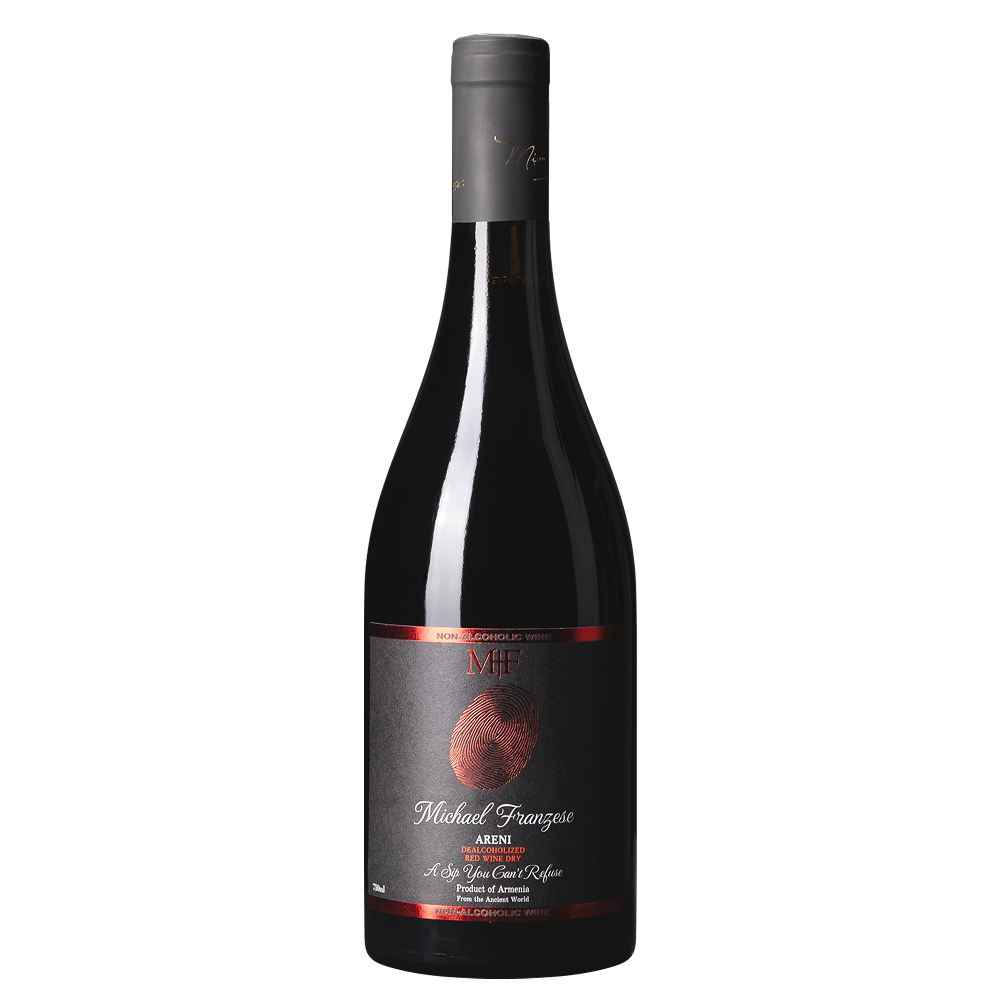
If you’re looking for a truly dry non-alcoholic red wine, Franzese stands out for keeping things crisp, balanced, and closer to a traditional red wine profile—without the added sweetness you’ll find in many alternatives.
Part of what makes this possible is the use of spinning cone technology, a gentle alcohol-removal process that helps retain the wine’s natural aromas and structure. Instead of tasting flat or diluted, it still delivers a more complete, wine-like experience.
In the glass, expect dark cherry, dried herbs, and a touch of pepper, followed by a clean, slightly grippy finish that drinks like a proper dry red. It’s not overly fruity or sugary, which is exactly what many non-alcoholic wine drinkers are after.
This wine is also imported from Armenia, widely considered one of the oldest wine-producing regions in the world. That heritage adds another layer of authenticity, especially for those who appreciate the history behind what’s in their glass.
It pairs effortlessly with pizza, pasta, and roasted vegetables, making it a great everyday option that still feels intentional.
Overall, Franzese is a solid choice if you want a non-alcoholic red wine that stays dry, flavorful, and true to classic wine structure.

Yes—that Kylie Minogue. And her non-alcoholic sparkling rosé absolutely lives up to the hype. It’s one of those bottles that just feels a little extra in the best way—pretty, polished, and perfect for moments you want to romanticize.
In the glass, it pours a soft, pale blush pink with lively bubbles. aromat-wise, think fresh strawberries, raspberries, and a hint of citrus, giving it that bright, fruity lift without being overly sweet. It’s crisp, refreshing, and easy to sip—basically everything you want in a sparkling rosé, just without the alcohol.. 0.0% ABV.
This is the kind of bottle you bring to brunch with friends, a girls’ night, or a cozy date night in. It looks beautiful on the table, tastes just as good, and never feels like you’re missing out.
Overall, if you want a non-alcoholic sparkling rosé that’s fun, elegant, and a little bit glam, this one checks all the boxes.

FRE is one of the original names I came across in the non-alcoholic wine space, and it still feels like one of the most dependable options out there. If I want something easy, affordable, and something I can actually find without hunting around, their Cabernet Sauvignon is usually what I reach for.
It’s made from California-grown Cabernet grapes and goes through a normal fermentation process first. The alcohol is then gently removed using spinning cone technology. I don’t get too technical about it, but what I do notice is that it still keeps a lot of the original wine character, so it doesn’t taste flat or overly “processed” like some alcohol-free reds can.
Taste-wise, it’s smooth and medium-bodied. I usually pick up black cherry and plum, with a light hint of oak in the background. It’s not heavy or complicated, which is part of why I like it. It feels approachable and easy to drink, especially if I’m not in the mood for something intense.
This is the kind of bottle I’ll open on a regular night without thinking twice. It goes well with simple meals like pasta, burgers, or grilled vegetables—nothing fancy needed.
Overall, FRE Cabernet Sauvignon is just a solid, budget-friendly non-alcoholic red that I keep coming back to. It’s consistent, easy to enjoy, and does exactly what I want it to do without overcomplicating things.

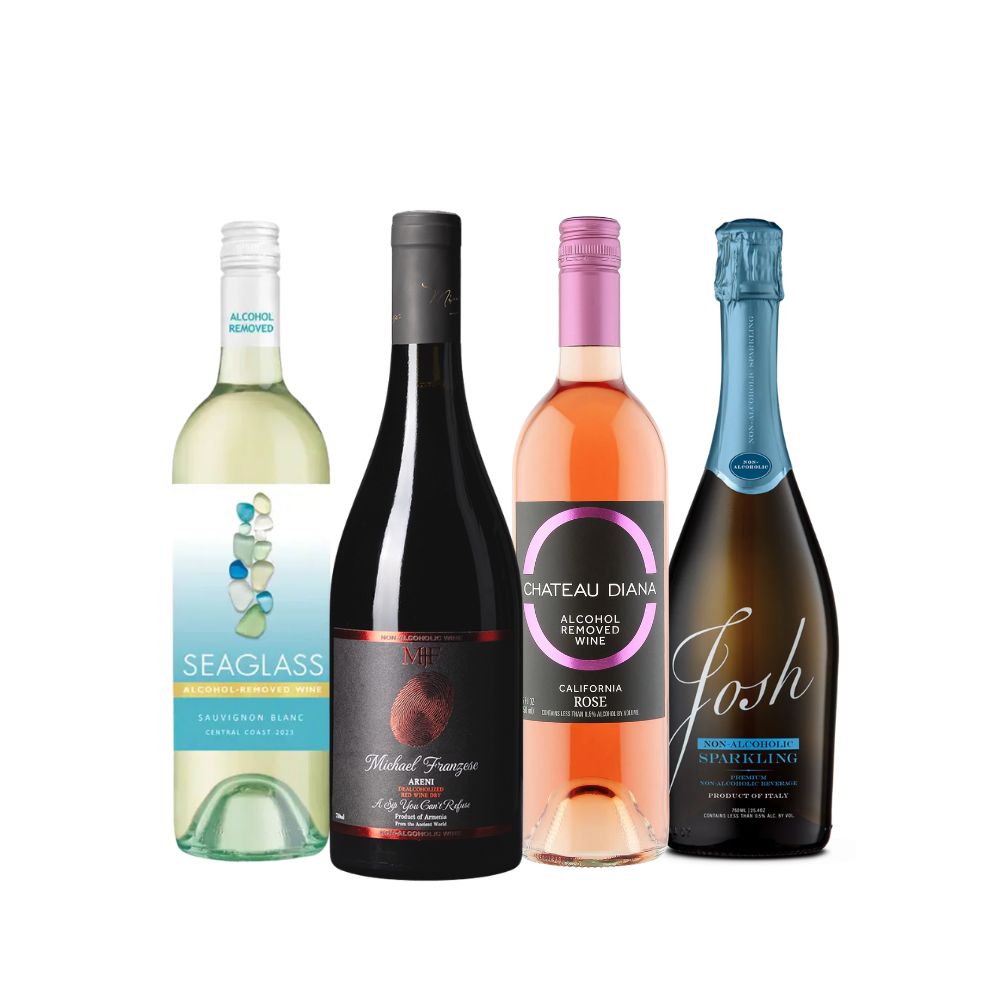
Josh Cellars is already a pretty familiar name if you’re into wine, so I was curious to see how their non-alcoholic sparkling would compare—and honestly, it does a solid job of carrying over that same easy, dependable style.
When I poured it, it looked bright and lively in the glass with fine bubbles that felt really refreshing. On the first sip, I got green apple and pear right away, along with a light citrus note at the end. It’s crisp, not overly sweet, and doesn’t feel flat or artificial, which I appreciate in alcohol-free options.
What I like most is how easy this is to drink. It doesn’t try too hard—it just works. I’ve had it with brunch, with light appetizers, and even just chilled on its own in the evening, and it fits every time without feeling out of place.
Overall, it’s one of those bottles I’d actually keep around. Simple, refreshing, and reliable, with that little bit of sparkle that makes it feel like you’re celebrating—even if it’s just a regular day.

Sea Glass really leans into what I like about Pinot Grigio, and this non-alcoholic version stays pretty true to that style. When I tried it, it immediately came across as light, crisp, and really refreshing—exactly what I want from this kind of wine.
On the palate, I get bright citrus, green apple, and a soft mineral note that keeps it feeling clean on the finish. It’s not trying to be overly complex, and I actually like that about it. It’s just easy, fresh, and super drinkable. It also feels like a lighter option overall, usually around 50–70 calories per serving, which is nice when I’m trying to keep things a bit lighter.
For me, this is the kind of bottle I reach for on warm afternoons or when I’m having a casual lunch outside. I’d pair it with salads, light seafood, or simple snacks, but honestly it’s also great just well chilled on its own.
Overall, I’d call Sea Glass Pinot Grigio a crisp, low-calorie non-alcoholic white wine that’s easy to enjoy and one of those bottles that disappears faster than you expect.

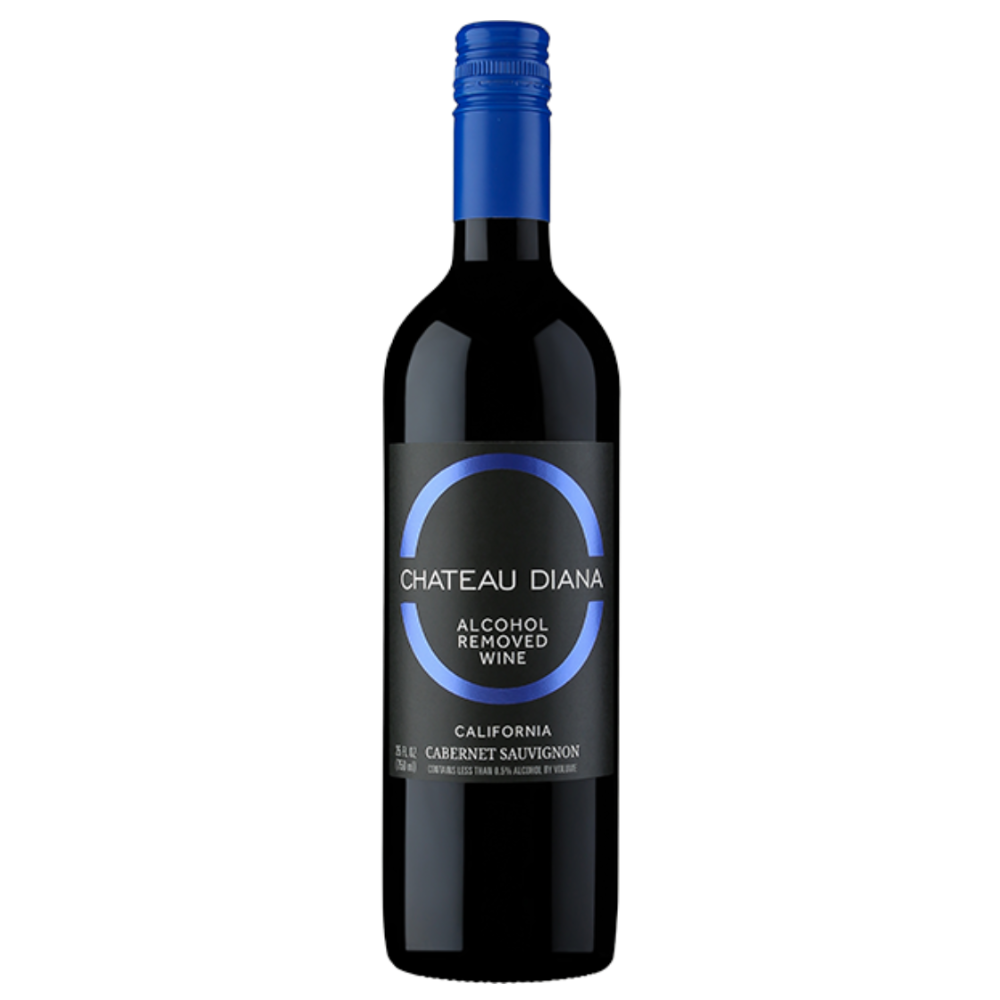
I’ve found Chateau Diana to be one of those dependable names when it comes to easy, approachable wines, and their non-alcoholic Cabernet follows that same path. It’s not trying to be overly complex—it’s just smooth, enjoyable, and really easy to come back to.
When I pour a glass, I get dark berry flavors right away, with a little hint of spice and a soft, mellow finish. It leans slightly fruit-forward, which makes it super approachable, especially if you’re newer to non-alcoholic reds or just want something that goes down easy.
It’s also a nice lighter option compared to traditional wine, usually sitting at around 100 calories per serving, so I don’t feel like I’m overdoing it if I go back for another glass.
I tend to reach for this when I’m hosting or just want something versatile on hand. It works well with casual dinners, snacks, or even just on its own without needing a whole moment around it.
Overall, this is one I’d keep stocked if I wanted a reliable, everyday non-alcoholic red that’s smooth, affordable, and easy to enjoy.


I’ve been really enjoying the Chateau Diana Chardonnay—it feels like a fresh, no-fuss take on the varietal that still delivers plenty of character. In the glass, it’s a pale, inviting gold. The nose is bright and easy to love, with crisp green apple, citrus peel, and ripe pear, plus just a soft hint of vanilla and a light floral edge that keeps it interesting.
On the palate, it’s all about freshness. I get lemon and white peach right away, followed by a smooth, slightly rounded texture that never feels heavy or overly oaky. There’s a nice little streak of minerality running through it that keeps everything lifted, and the finish is clean and refreshing in a way that makes you immediately want another sip.
I like this one best well chilled, especially on its own when I want something easy and uncomplicated. But it also really comes alive with food—grilled chicken, simple seafood dishes, citrusy salads, or soft cheeses all work beautifully. It’s the kind of Chardonnay I reach for when I want something approachable, balanced, and refreshing without the weight of too much oak.
How I Ranked These Wines
Every bottle on this list was evaluated on four things: taste, balance, value, and how closely it captures the experience of drinking real wine. We considered the production method, the quality of the base wine, and how the wine performs both on its own and with food. Price mattered too, which is why every pick comes in under $20.
What to Look For When Shopping for Non-Alcoholic Wine
Not all non-alcoholic wines are created equal, and a few small details can make a big difference in what ends up in your glass.
Start with the production method. Wines made using spinning cone or reverse osmosis tend to preserve flavor better than those that rely on heat-based dealcoholization. If a brand mentions either of those methods, that's a good sign.
Pay attention to sugar content. Some non-alcoholic wines add a fair amount of sugar to fill in for the missing alcohol. Drier styles, like the Franzese on this list, are a better choice if you want something closer to the structure of a traditional bottle.
Finally, serve it the right way. Non-alcoholic wine still benefits from proper glassware, the right temperature, and a few minutes to open up. Treat it like wine and it will taste like wine.
The Bottom Line
The non-alcoholic wine category has come a long way, and the bottles on this list prove it. Whether you're after a bold red, a crisp white, a celebratory sparkler, or something a little outside the box, there's a great option here, and all for under $20.
If you're new to non-alcoholic wine, start with one or two bottles that match what you usually drink. If you're already a fan, this is a great year to expand your shelf and discover something new.