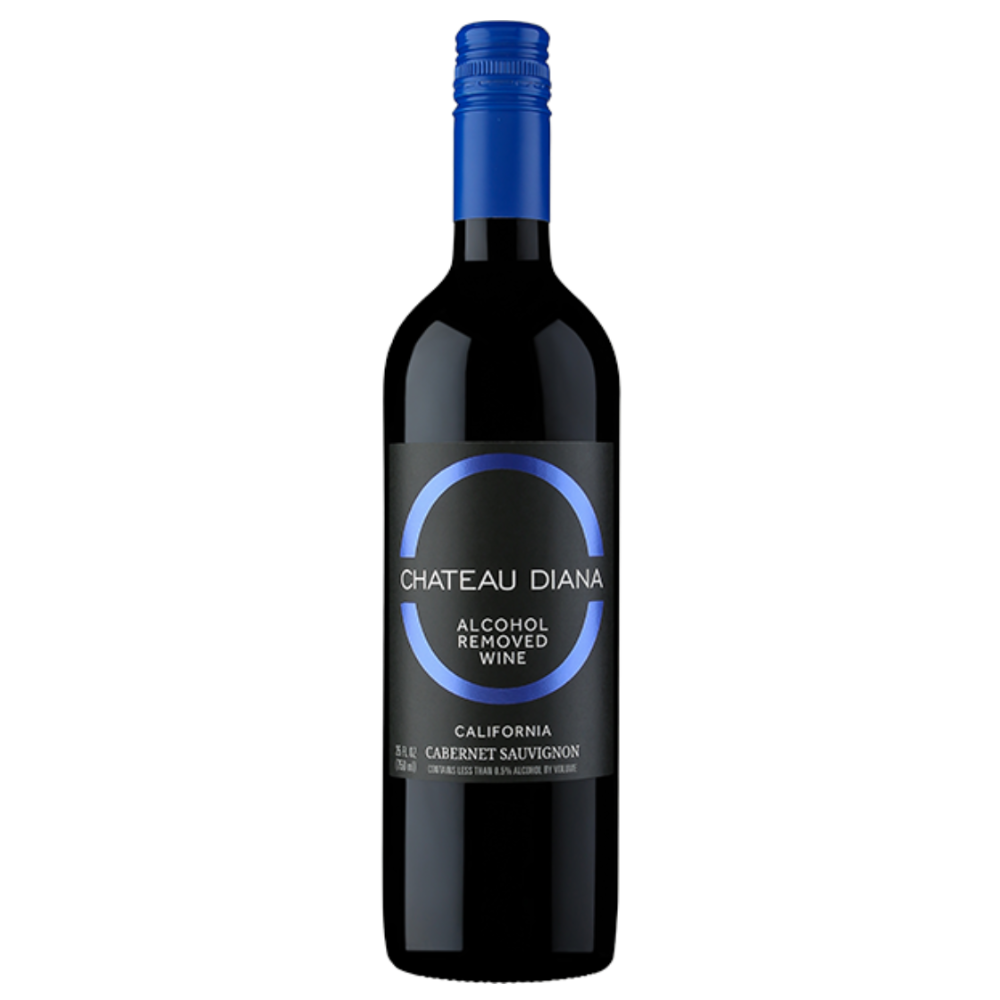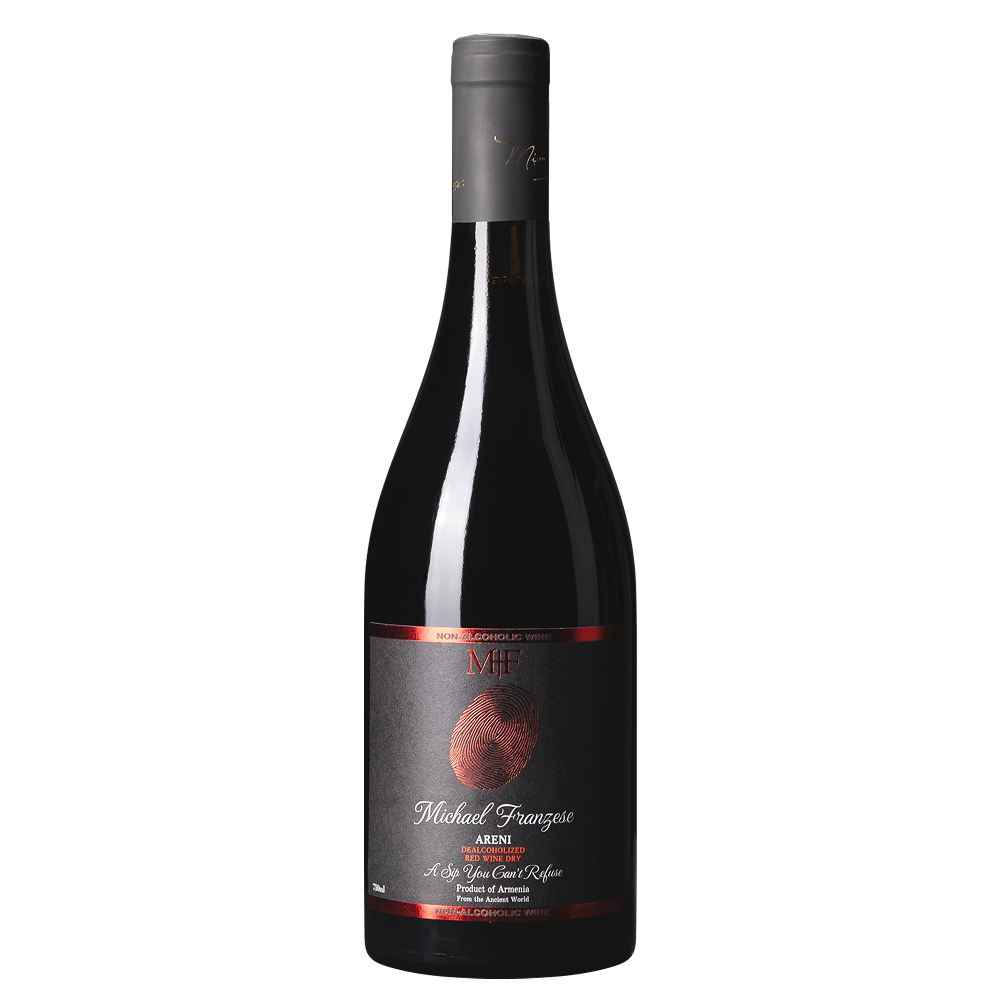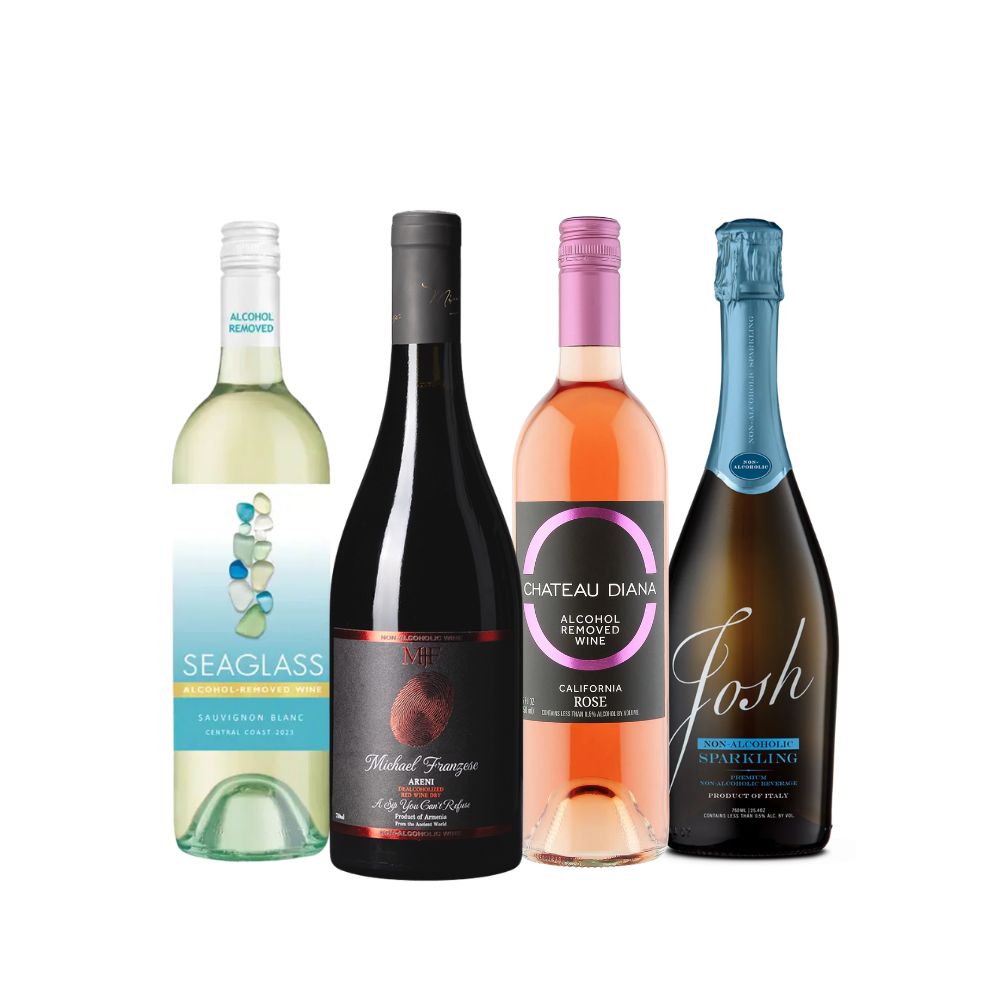

Wine is supposed to have alcohol in it, right? So how do winemakers manage to take it out without losing the flavor, aroma, and character that make wine, well, wine?
The short answer: it starts as real wine. The longer answer involves some genuinely fascinating science, a fair amount of craftsmanship, and technology that has come a long way in the past decade. Let's break it down.
The Process Begins the Same Way as Any Other Wine
Here's something that surprises a lot of people. Non-alcoholic wine doesn't start as grape juice or some kind of wine substitute. It starts as actual, fully fermented wine, made the same way it has been for thousands of years.

Winemakers harvest grapes, crush them, and let yeast convert the natural sugars into alcohol through fermentation. The wine is aged, blended, and finished just like any traditional bottle you'd find at your local shop.
Reds spend time developing tannin and depth. Whites are crafted for crispness and aromatics. Sparkling wines get their bubbles. Everything that makes a wine taste like wine, including the complex aromas, the body, the structure, happens during this initial process.
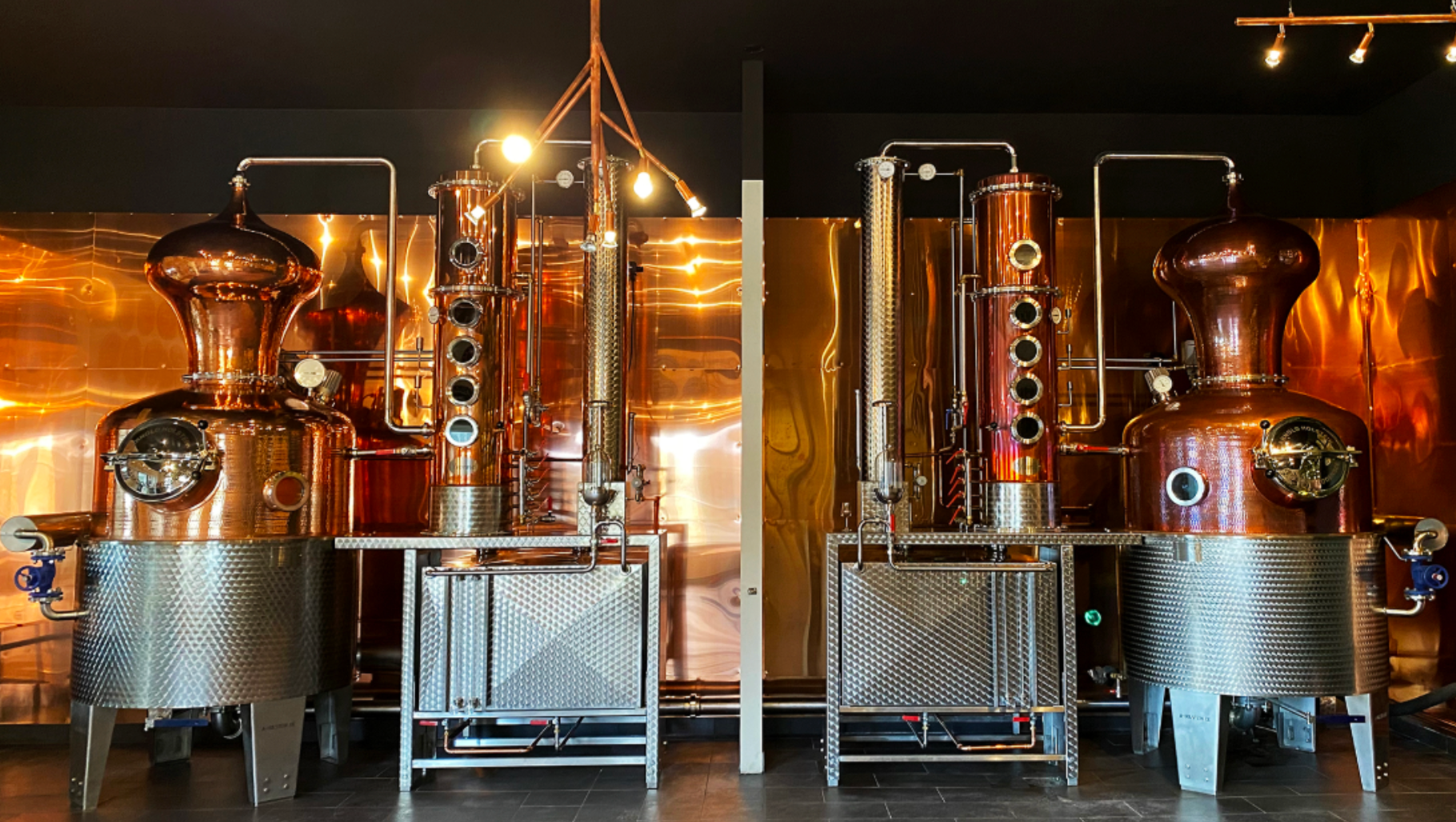
Only after the wine is fully made does the alcohol removal process begin. And that's the step that separates a good non-alcoholic wine from a forgettable one. Let's dive in and learn the different methods used to remove the alcohol creating de-alcoholized wine but it's not as simple.
The Tricky Part: Removing Alcohol Without Ruining the Wine
Alcohol isn't just there for the buzz. It carries flavor, contributes to mouthfeel, and helps deliver the aromatic compounds that hit your nose when you swirl a glass. Strip it out carelessly and you're left with something flat, watery, or overly sweet. The challenge for winemakers is removing the ethanol while preserving as much of the wine's original character as possible.
There are a few different methods producers use, and each one has its strengths.
Vacuum Distillation

Reverse Osmosis
This method takes a completely different approach—and it’s surprisingly precise.

The wine is pushed through an ultra-fine filter (called a membrane) that splits it into two parts. On one side, you get water and alcohol. On the other, all the bigger molecules—like flavor, color, and texture—are left behind.
Next, the alcohol is gently removed from the water using distillation. Once that’s done, the water is blended back together with the concentrated wine. What you’re left with is a wine that keeps most of its original character, just without the alcohol.
One of the biggest advantages of reverse osmosis is how gentle it is. It does an excellent job of preserving flavor and aroma. The catch? It’s slow and costly. That’s why it’s usually reserved for higher-end non-alcoholic wines, where maintaining quality really matters.
Spinning Cone Column
This is a newer, high-tech method—and it’s quickly become a go-to for premium winemakers.

Here’s how it works: wine flows down through a tall column filled with spinning cones. As the cones rotate, they spread the wine into a thin film, increasing its surface area. At the same time, a gentle stream of nitrogen or steam passes through, carefully lifting out different compounds in stages.
What makes this method stand out is its precision. Winemakers can remove the delicate aroma compounds first and set them aside. Then they take out the alcohol. Finally, they blend those aromas back into the wine.
Because the process uses very little heat and happens quickly, the wine keeps much of its original character. The end result is often remarkably close—in both taste and smell—to the original wine.
Why Non-Alcoholic Wine Doesn't Taste Like Grape Juice
Although, there's a stereotype that non-alcoholic wine tastes like grape juice.. this is not entirely true. It all depends on the producers and the type of process they use to remove the alcohol. Non-Alcoholic Wine has come a long way and the wine being produced is very high quality.
Once the alcohol is removed, the wine isn't quite finished. Taking out the ethanol changes the body and balance of what's left behind, so winemakers spend time adjusting the final product. They might add back captured aromas, balance acidity, fine-tune sweetness, or blend in a small amount of grape must to round things out. Some sparkling non-alcoholic wines get re-carbonated at this stage to bring back the fizz that was lost during processing.
This finishing step is where the craft really shows. A skilled producer can make the difference between a wine that tastes thin and apologetic and one that genuinely holds its own next to a traditional bottle.
What "Non-Alcoholic" Actually Means
In the United States, a wine has to contain less than 0.5% ABV or "alcohol by volume" to be labeled non-alcoholic. For comparison, that's roughly the same amount of alcohol you'd find in a ripe banana or a glass of kombucha. Some producers go further and create completely alcohol-free wines at 0.0% ABV, which is an option for anyone who needs to avoid alcohol entirely for medical, personal, or religious reasons.
It's worth knowing the difference if you're shopping with a specific need in mind. Both options are widely available, and the labels will tell you exactly what you're getting.
If you would like to learn more about ABV, the legal amount, what is considered non-alcoholic, read this blog here for more details.
The Bottom Line
Making non-alcoholic wine is a two-part craft.
First you make great wine. Then you remove the alcohol carefully enough that the wine still tastes like itself. The producers doing this well are using methods that protect aroma, body, and flavor at every stage, and the results have improved dramatically in just the past few years.
If you've tried non-alcoholic wine in the past and weren't impressed, it might be time for another look. The category has matured, the technology has improved, and there are more genuinely delicious options on shelves than ever before.