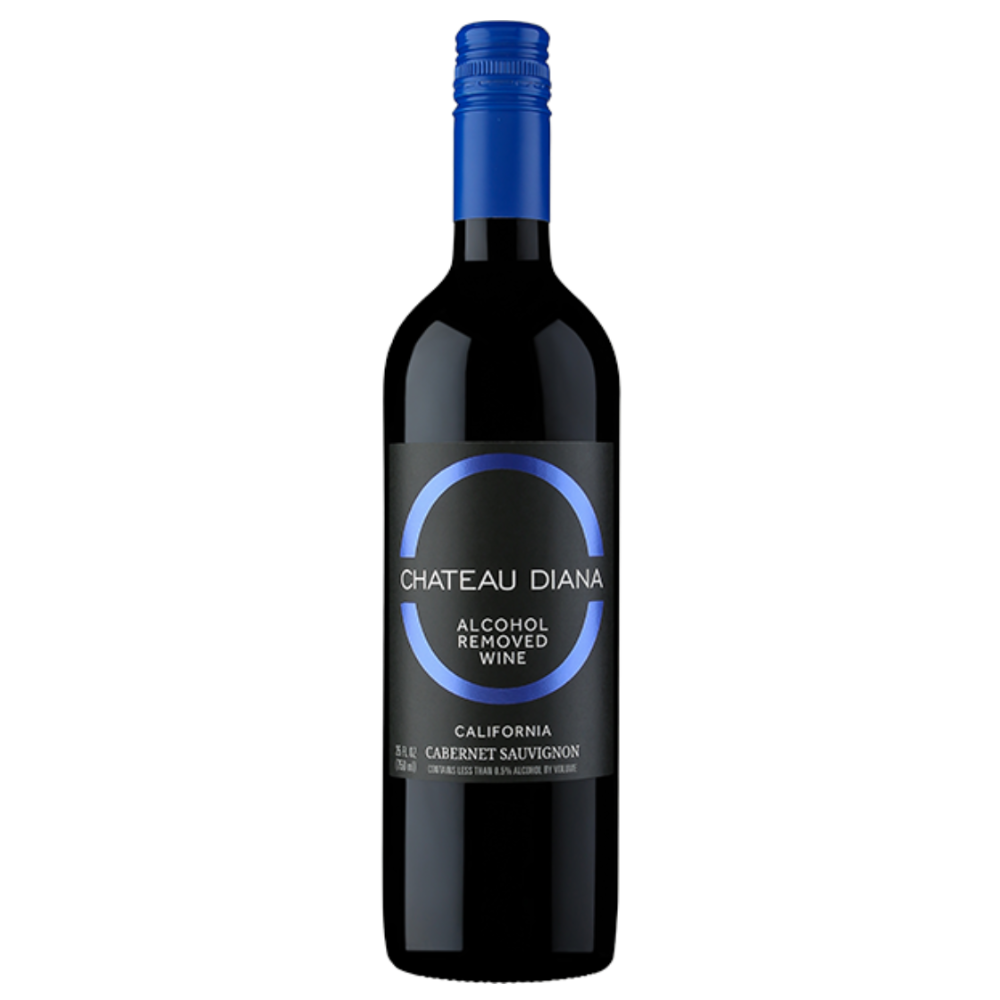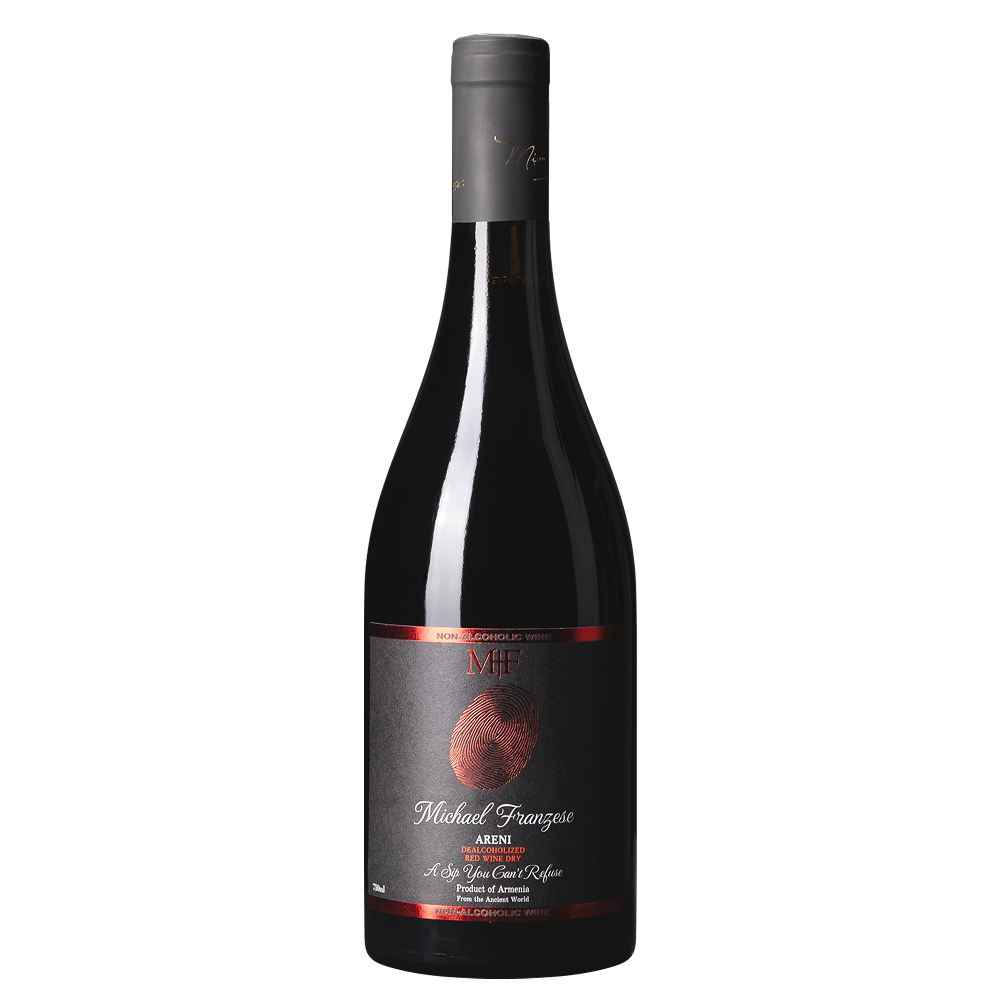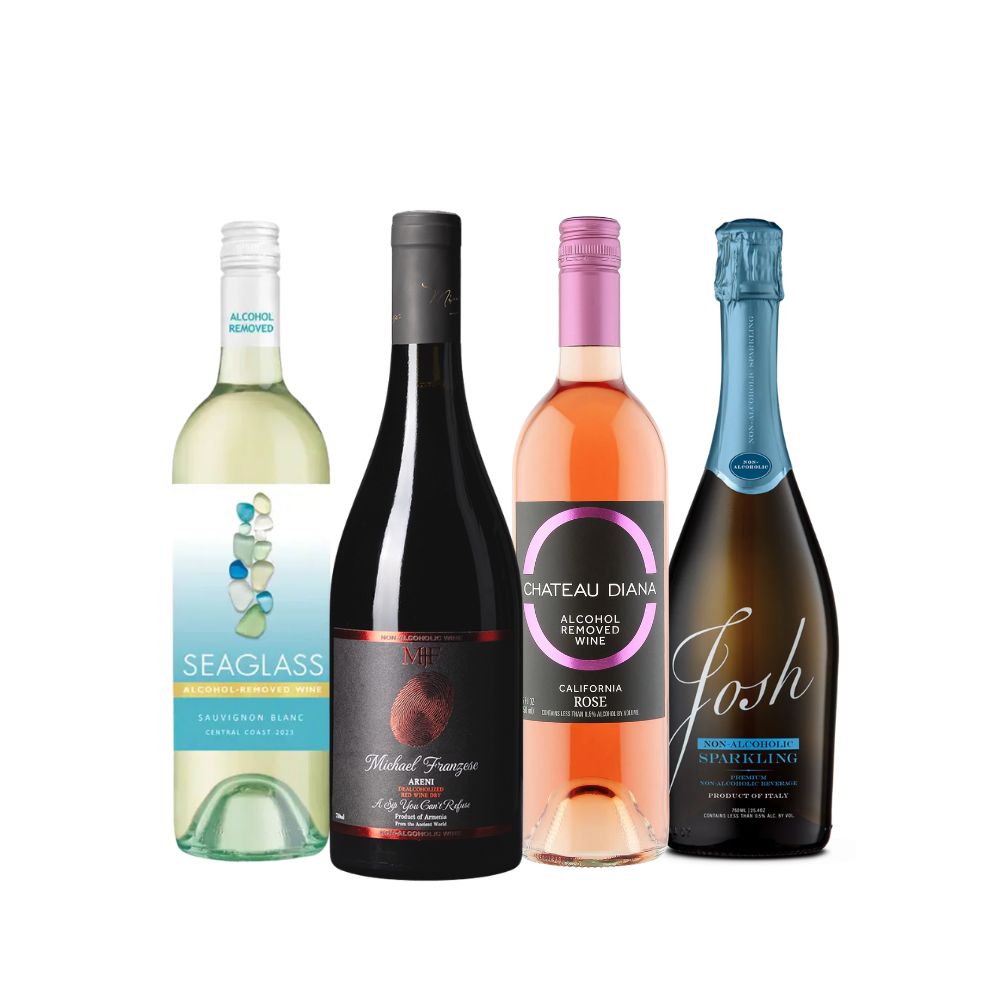

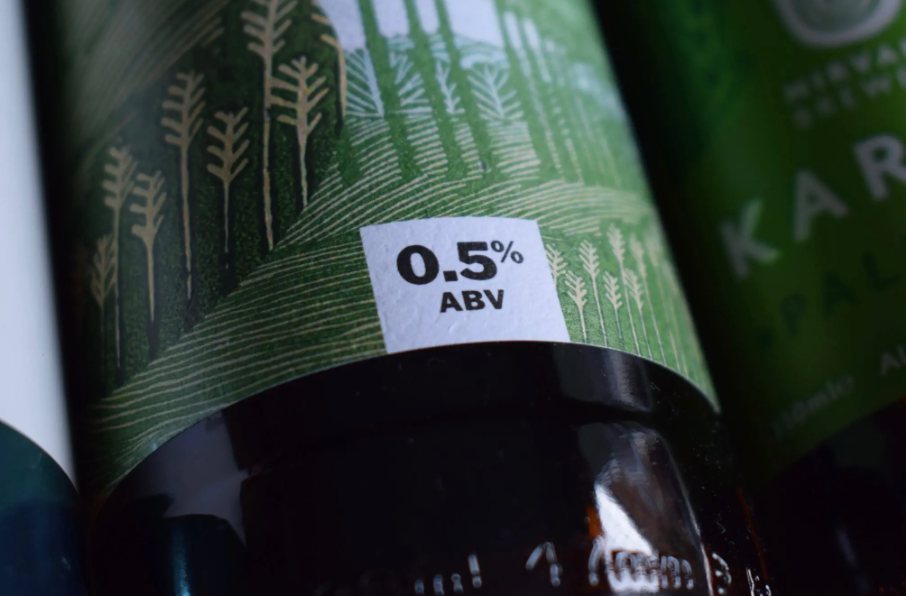
If you've ever picked up a bottle of non-alcoholic wine and noticed the label says "less than 0.5% ABV," you've probably wondered what that actually means. Is there alcohol in it or not? Is it safe? Is it really "non-alcoholic" if it isn't zero?
Here's the short answer up front: a wine labeled less than 0.5% ABV contains a trace amount of alcohol, but the amount is so small that it's considered negligible by most regulatory bodies and is similar to what you'd find in everyday foods like ripe bananas, kombucha, fresh bread, and orange juice. For most people, it's effectively non-alcoholic. For some specific situations, though, the difference between 0.5% and 0.0% does matter.
Let's break it down from the basics to the finer details so you know exactly what you're drinking and can decide what's right for you.
The Basics: What ABV Means
ABV stands for "alcohol by volume." It's the standard measurement used to describe how much alcohol is in any beverage, expressed as a percentage. A typical glass of red wine sits around 13 to 14% ABV. Beer usually ranges from 4 to 6%. Spirits are much higher, usually 40% and above.
When you see "less than 0.5% ABV" on a non-alcoholic wine label, it means that for every 100 milliliters of liquid, less than half a milliliter is alcohol. That's a tiny fraction compared to traditional wine.
Why 0.5% Is the Legal Threshold for "Non-Alcoholic"
In the United States, the Alcohol and Tobacco Tax and Trade Bureau (TTB) allows a beverage to be labeled "non-alcoholic" or "dealcoholized" as long as it contains less than 0.5% ABV. The same standard applies in most of the European Union, the United Kingdom, Canada, and Australia.
This threshold wasn't picked at random. It comes from research showing that beverages below 0.5% ABV don't produce any meaningful physiological effect, even when consumed in large quantities. To put it in perspective, you'd have to drink more than 10 glasses of 0.5% ABV wine in a very short window to consume the same amount of alcohol as a single regular glass of wine, and even then, your body would metabolize most of it before any effect could register.
The 0.5% threshold is the line where regulators decided alcohol stops being functionally relevant.
Where the Trace Alcohol Comes From
Most non-alcoholic wines start as real, fully fermented wine. The grapes are crushed, the juice is fermented with yeast, and alcohol is produced just like in traditional winemaking. Only after the wine is made does the alcohol get removed using methods like vacuum distillation, reverse osmosis, or spinning cone technology.

These methods are remarkably effective, but no process is perfect. A small amount of residual alcohol almost always remains in the finished wine, typically somewhere between 0.1% and 0.5% ABV. That's where the "less than 0.5%" label comes from.
If you want a deeper look at exactly how the alcohol is removed and why a trace remains, our guide to how non-alcoholic wine is made breaks down each method step by step.
How 0.5% ABV Compares to Everyday Foods and Drinks
This is the part that surprises most people. Trace alcohol shows up in a lot of common foods and beverages that nobody thinks twice about. Here's a rough comparison:
Ripe bananas: up to 0.4% ABV as the fruit ferments naturally

Fresh wheat bread: around 0.3% ABV from yeast fermentation
Unrefrigerated orange juice: can reach 0.5% ABV as it sits
Kombucha: typically 0.3 to 1.5% ABV depending on how long it's brewed
Apple cider vinegar: trace amounts present

Ripe pears and grapes: small amounts naturally
Most non-alcoholic wines actually contain less alcohol than a glass of kombucha or a slightly overripe banana. That perspective alone changes how a lot of people think about the category.
0.5% ABV vs. 0.0% ABV: The Difference That Matters for Some People
Not every non-alcoholic wine is the same. Some bottles are labeled "less than 0.5% ABV" and contain trace amounts. Others are labeled "0.0% ABV" and have been processed further to remove every last bit of ethanol.
For most casual drinkers, the difference is purely academic. Both feel and taste essentially identical, and neither will produce any physical effect.
But for certain people, choosing 0.0% ABV is the safer or smarter choice. These include:
People in recovery from alcohol use disorder. Many sober individuals avoid even trace amounts of alcohol to protect their sobriety and avoid triggering psychological associations with drinking.
Pregnant women. While most healthcare providers consider less than 0.5% ABV negligible, current guidance from the CDC and ACOG recommends avoiding alcohol entirely during pregnancy. Many pregnant women choose 0.0% ABV options for complete peace of mind. We covered this in detail in our guide to non-alcoholic wines for pregnancy.
People taking medications that interact with alcohol. Certain medications, including some antidepressants, antibiotics, and diabetes drugs, can have heightened reactions to even small amounts of alcohol. If you're on any medication, check with your doctor.
People avoiding alcohol for religious reasons. Many religious traditions prohibit any alcohol consumption, in which case 0.0% ABV is the appropriate choice.
People who simply prefer zero. For some, the principle of having no alcohol at all matters, regardless of the science.
For everyone else, less than 0.5% ABV is perfectly fine and is what the vast majority of non-alcoholic wines on the market contain.
Why Producers Don't Always Go to 0.0%
If 0.0% ABV is possible, you might wonder why producers don't just make every bottle alcohol-free.
The answer is flavor. Removing the last 0.5% of alcohol is significantly harder than removing the first 99%. That final stretch of dealcoholization requires additional processing, which can strip out aromatic compounds, mouthfeel, and complexity. Many premium non-alcoholic wines deliberately stop at 0.3 or 0.4% ABV because that's the sweet spot where the wine still tastes like wine.
In other words, "less than 0.5% ABV" is often a sign that the producer chose flavor preservation over a marketing claim. It's not a shortcut. It's a craft decision.
That said, technology has improved a lot in the past few years, and several producers are now making excellent 0.0% ABV wines that taste close to their slightly-higher-ABV counterparts. The category is getting better in both directions.
Will "Less Than 0.5% ABV" Wine Make You Feel Anything?
No. This is one of the most common questions, and the answer is consistent across decades of research.

To feel the effects of alcohol, your blood alcohol concentration (BAC) needs to rise meaningfully. A 0.5% ABV beverage doesn't deliver enough ethanol per glass to register. Your liver processes the small amount almost as quickly as you consume it. You could drink several bottles of less than 0.5% ABV wine and not approach any measurable level of intoxication.
This is also why non-alcoholic wines won't trigger a breathalyzer or affect your ability to drive. The trace alcohol is metabolized too quickly and in too small a quantity to register.
The Bottom Line
"Less than 0.5% ABV" is the standard for non-alcoholic wine, and for the vast majority of drinkers, it's effectively the same as drinking something with no alcohol at all. The amount is negligible, the effect is none, and the trace is comparable to what you'd find in foods you've been eating your whole life without thinking about it.
That said, if you're in recovery, pregnant, taking certain medications, or just personally prefer absolute zero, 0.0% ABV wines exist and are widely available. Both options have their place, and both are wonderful ways to enjoy wine without alcohol.
The most important thing is that you read the label and pick what's right for your situation. Now that you know what the numbers mean, you can shop with confidence.
Browse our full collection of non-alcoholic wines to find a bottle that fits your needs, whether you're looking for less than 0.5% ABV or strictly 0.0%.