
Non-Alcoholic Wine for Diabetics: What to Look For
Living with diabetes means reading every label twice. Foods and drinks that seem harmless on the surface can hide enough sugar to send your blood glucose climbing, and wine has always been a tricky category to navigate. Traditional wine has alcohol, which can cause unpredictable blood sugar swings, while sweet wines pile on the carbs. Non-alcoholic wine seems like a safer alternative on paper, but here's the catch most people don't realize: some non-alcoholic wines actually contain more sugar than the regular version.
If you're managing type 1 diabetes, type 2 diabetes, prediabetes, or gestational diabetes, this guide will walk you through exactly what to look for, what to avoid, and which non-alcoholic wines tend to be the best fit for blood sugar management.
Why Non-Alcoholic Wine Is Worth Considering for Diabetics
Alcohol is a complicated substance for anyone managing blood sugar. It can cause low blood sugar (hypoglycemia) hours after drinking, especially if consumed without food, and it can interfere with diabetes medications like insulin and metformin. For many diabetics, cutting out or cutting back on alcohol simply makes day-to-day blood sugar management easier and more predictable.
Non-alcoholic wine removes the alcohol-related risks while preserving the social ritual of enjoying a glass with dinner or at a celebration. The right bottle can fit comfortably into a diabetic-friendly lifestyle. The wrong one can quietly raise your blood sugar more than you'd expect.
The Hidden Sugar Problem in Non-Alcoholic Wine
Here's where things get tricky. Non-alcoholic wine starts as real, fully fermented wine and then has the alcohol removed. If you want a deeper dive into the production process, we covered it in detail in our guide to how non-alcoholic wine is made.

The challenge is that alcohol contributes a lot to the body, mouthfeel, and perceived sweetness of wine. When you remove it, the wine can taste thin, watery, or unbalanced. Some producers solve this problem by adding grape juice, grape must, or plain sugar back into the wine after de-alcoholization. This is what gives certain non-alcoholic wines their full, rounded flavor, but it also means the sugar content can climb significantly.
A traditional dry red wine typically contains less than 1 gram of sugar per 5-ounce serving. Some non-alcoholic wines, especially sweeter or sparkling styles, can contain anywhere from 5 to 15 grams of sugar per serving, sometimes more. For someone counting carbs or watching their glycemic load, that's a meaningful difference.
The lesson: don't assume non-alcoholic wine is automatically diabetic-friendly. The label tells the real story.
What to Look For on the Label
Reading a non-alcoholic wine label with diabetes in mind comes down to a few key numbers and terms.
Total sugar per serving. This is the single most important number. Look for wines with 2 grams of sugar or less per 5-ounce serving for the safest pick. Anything over 5 grams of sugar per 5-ounce serving grams should be considered a treat rather than an everyday option.
Total carbohydrates. Sugar isn't the only carb in wine, but it's usually the largest one. Total carbs give you the full picture for carb counting.
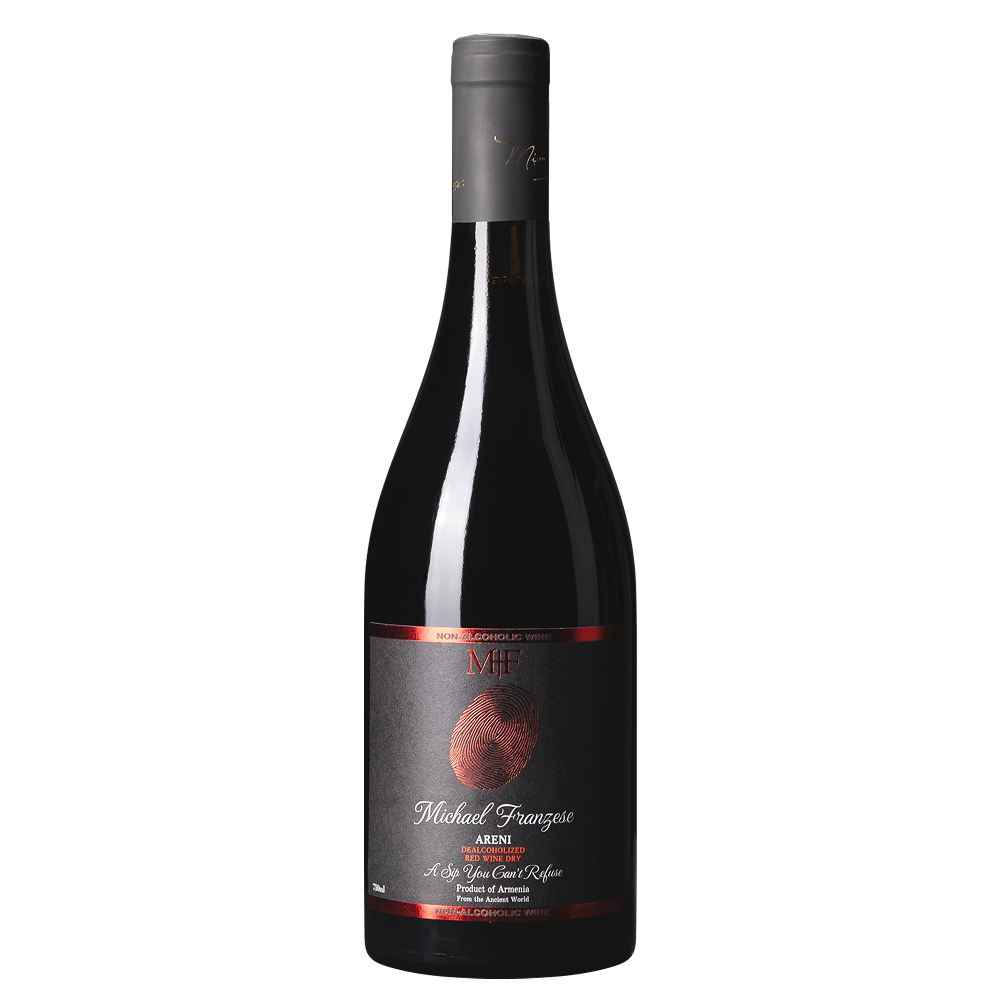
The word "dry." Dry wines have the least residual sugar, while terms like "off-dry," "semi-sweet," and "sweet" all indicate progressively higher sugar content. For example: Franzese Dry Red Non-Alcoholic Wine. A dry non-alcoholic wine like this is a good example that the sugar content is low but still confirm with the label.
Style of wine. As a general rule, dry reds and dry whites tend to have the lowest sugar. Sparkling wines vary widely depending on whether they're labeled brut, extra dry, or demi-sec. Sangrias, dessert wines, and many sparkling rosés tend to be higher in sugar.
ABV. What is ABV and what does it really mean? 0.0% ABV is fully alcohol-free, while wines under 0.5% ABV contain trace amounts. For most diabetics, the ABV matters less than the sugar content, but if you're avoiding alcohol entirely for medical or medication reasons, 0.0% ABV is the safer choice.
Added ingredients. Some non-alcoholic wines list "grape juice concentrate," "added sugar," or "natural sweeteners" in the ingredients. These are signals to check the sugar content carefully.
What to Avoid
A few categories of non-alcoholic wine tend to be especially high in sugar and are worth approaching with caution.
Sangrias and fruity blends typically contain added fruit juice and sugar to mimic the sweetness of traditional sangria. They can easily contain 10 grams or more of sugar per serving. Although they taste great, sweat and enjoyable in the summer, these are not diabetic friendly.

Sweet sparkling wines and dessert-style bottles, including many demi-sec and doux sparklings, are high in residual sugar by design.

Mulled or spiced non-alcoholic wines, often sold around the holidays, frequently include added sugar and spices that bring the carb count up.
Non-alcoholic wines labeled "sweet" or with fruit-forward names like "berry blend" or "tropical white" often have sugar added to enhance the fruit character.
This doesn't mean these wines are off-limits forever. It just means they're better as occasional treats with a meal, not everyday pours.
The Best Non-Alcoholic Wine Styles for Diabetics
Some styles consistently come in lower in sugar and tend to fit better into a diabetic-friendly routine.
Dry red wines. Cabernet Sauvignon, Merlot, and dry red blends are typically among the lowest-sugar options in the non-alcoholic category. Look for bottles labeled simply "dry" with sugar content under 2 grams per serving.
Dry white wines. Sauvignon Blanc, Pinot Grigio, and unoaked Chardonnay tend to be crisp, clean, and lower in sugar.
Brut sparkling wines. "Brut" indicates the driest sparkling style. Brut and extra brut non-alcoholic sparkling wines are often suitable for diabetics, though always check the label.
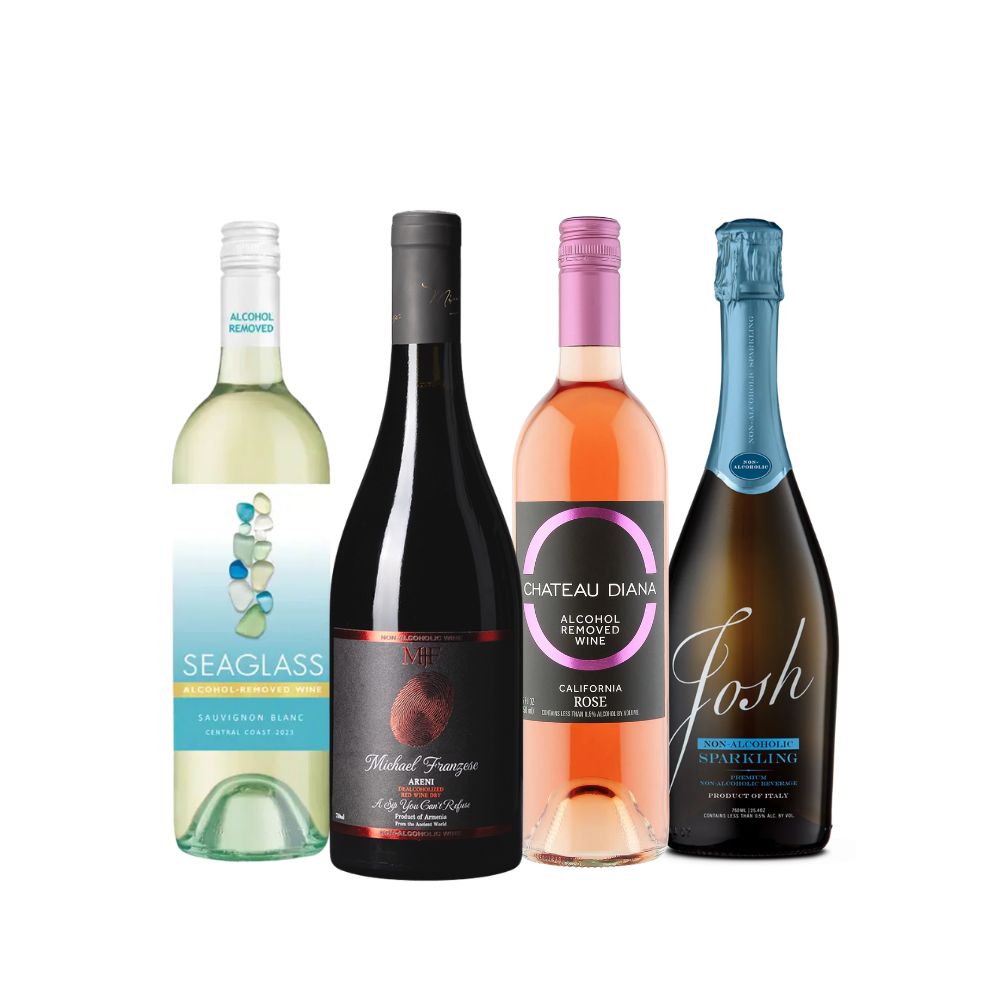
As the official marketplace for non-alcoholic wine browse our collection of non-alcoholic wines. With 50+ options you can find the bottles that fit your needs.
Common Questions Diabetics Ask About Non-Alcoholic Wine
Will non-alcoholic wine spike my blood sugar?
It depends entirely on the sugar content. A dry non-alcoholic wine with under 2 grams of sugar per serving is unlikely to cause a meaningful spike for most people. A sweet non-alcoholic wine with 12 to 15 grams of sugar can have a noticeable effect, similar to drinking a small glass of fruit juice. Always check the label and consider testing your blood sugar after trying a new bottle for the first time.
Can diabetics drink non-alcoholic wine every day?
For many diabetics, a daily glass of low-sugar non-alcoholic wine is a reasonable choice, especially if it replaces a higher-carb beverage. That said, daily intake should always be discussed with your doctor or diabetes educator, particularly if you're on insulin or other medications.
Is non-alcoholic wine better than regular wine for diabetics?
It can be, but not automatically. Regular dry wine has minimal sugar but contains alcohol, which can cause delayed hypoglycemia and interact with medications. Non-alcoholic wine removes those risks but can contain more sugar depending on the bottle. The right choice depends on your specific situation, medications, and what you're trying to manage.
Does non-alcoholic wine count as a "free food" on a diabetic diet?
No. Even the lowest-sugar non-alcoholic wines contain some carbohydrates and should be counted in your daily totals. They're often a smarter choice than soda, juice, or sweet cocktails, but they're not carb-free.
Are there 0g sugar non-alcoholic wines?
True 0-gram sugar non-alcoholic wines are rare because the dealcoholization process tends to leave at least some natural residual sugar from the grapes. However, several dry non-alcoholic wines come in under 1 gram per serving, which is essentially negligible for most diabetics.
Can I drink non-alcoholic wine if I have gestational diabetes?
Many providers consider low-sugar non-alcoholic wine acceptable for gestational diabetes, especially 0.0% ABV options. The most important factor is the sugar content. Always check with your doctor or diabetes educator before adding any new beverage to your routine during pregnancy.
Does non-alcoholic wine affect insulin or diabetes medications?
Without alcohol, non-alcoholic wine doesn't interact with diabetes medications the way regular wine can. This is one of the biggest advantages of switching to non-alcoholic wine for diabetics on insulin, metformin, sulfonylureas, or similar medications. Always confirm with your doctor based on your specific prescriptions.
What about glycemic index and non-alcoholic wine?
Non-alcoholic wines aren't formally rated on the glycemic index, but the sugar they contain is primarily fructose and glucose from grapes, which behave similarly to other natural sugars. The total amount per serving matters more than the type of sugar.
Smart Habits for Diabetics Drinking Non-Alcoholic Wine
A few simple practices can help keep blood sugar steady when adding non-alcoholic wine to your routine.
Pair it with food. Drinking wine alongside a meal that includes protein, fiber, and healthy fats slows the absorption of any sugar in the wine.

Stick to standard serving sizes. A 5-ounce pour is a serving. Pouring two glasses doubles the sugar.
Test if you're unsure. When trying a new non-alcoholic wine, check your blood sugar before and 60 to 90 minutes after to see how your body responds.
Read the label every time. Even within the same brand, different varietals can have very different sugar content.

Watch the daily total. Even a low-sugar wine adds up across multiple glasses or days. Factor it into your overall carb plan.
The Bottom Line
Non-alcoholic wine can absolutely be part of a diabetic-friendly lifestyle, as long as you know what to look for. The key is treating sugar content as the most important number on the label, choosing dry styles whenever possible, and pairing your glass with food.
The category has expanded dramatically over the past few years, and there are more low-sugar, dry, and well-made non-alcoholic wines than ever before. Whether you're newly diagnosed and looking for safer alternatives or have been managing diabetes for years and want to enjoy wine without the alcohol, the right bottle is out there.
Browse our full non-alcoholic wine collection to find dry, low-sugar options that work for your routine.
This article is for informational purposes only and is not a substitute for medical advice. Always consult your doctor or diabetes educator before making changes to your diet or beverage choices.